Embrace the No-Hangover Lifestyle
For a long time, drinking was about the night itself. The laugh, the buzz, the ritual of pouring a glass and settling in. What happened the next morning was just part of the deal.
That math is starting to change.
More people are paying attention to how they feel the day after, and adjusting accordingly. Hangovers hit harder than they used to. Sleep feels lighter. Mornings feel foggier. And as daily life gets fuller, the cost of feeling off the next day is harder to justify for a few hours of fun the night before.
This shift has created what a lot of people are calling the no-hangover lifestyle: choosing ways to unwind that still feel social and satisfying, without borrowing from tomorrow. For a growing number of adults, THC beverages and THC drinks are becoming part of how they do that.
Not as a rejection of alcohol. Not as a rule. Just as an option that fits better with how they actually want to feel.
The numbers back this up. A 2025 Gallup poll found that only 54% of American adults say they drink alcohol, the lowest rate in nearly 90 years of tracking. The decline has been sharpest among women and adults under 35. And for the first time, a majority of Americans now believe even moderate drinking is bad for their health.
Something is shifting, and it goes beyond a trend.
Hangovers aren’t just inconvenient anymore
Most people don’t need a medical explanation to know when alcohol isn’t working for them. Headaches. Dry mouth. Poor sleep. A low-grade anxiety that hangs around longer than the fun did.
What’s changed isn’t physical tolerance. It’s mental tolerance.
As responsibilities stack up (early meetings, workouts, kids, travel, back-to-back weekends with plans) people are less willing to trade a good night for a compromised next day. What used to feel like a harmless indulgence now feels like friction.
THC-infused beverages enter the picture here because they don’t follow the same path through the body as alcohol. They don’t dehydrate you the same way and they don’t produce the same toxic byproducts that cause traditional hangovers. Hemp-derived THC drinks, like THC-infused wine or THC seltzers, deliver a calm social buzz at low doses without the metabolic damage that alcohol does overnight.
For a lot of people, that difference shows up the next morning as something simple but meaningful: clarity.
Fuzzy mornings are a bigger deal than they used to be
It’s not just about headaches. It’s about that feeling of being half-present the next day.
Alcohol can leave you feeling mentally dull even when you didn’t drink “that much.” Tasks take longer. Motivation lags. The day feels like something to push through rather than step into.
This is one of the most common reasons people give for experimenting with alternatives. Not because they want to avoid enjoyment but because they want their enjoyment to stop when the night does.
People who’ve switched to THC drinks and hemp-derived beverages tend to describe the next morning differently. Not wired. Not depleted. Just normal. Able to wake up, remember the night before clearly, and move into the day without friction.
That contrast matters when mornings aren’t optional.
Sleep: the quiet deal-breaker
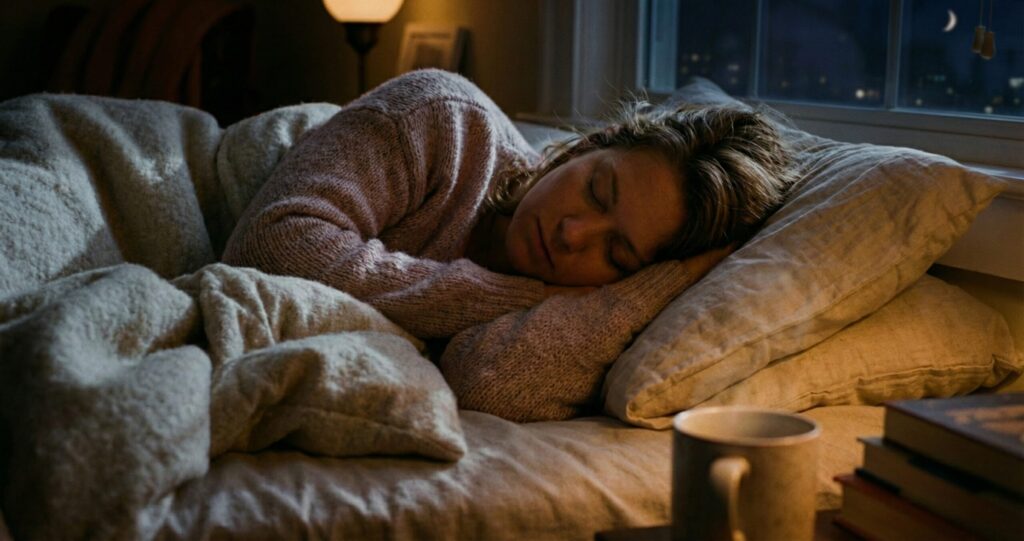
Sleep is where a lot of people draw the line.
Alcohol is notorious for disrupting sleep quality. Even when it helps you fall asleep faster, it fragments the night, leading to lighter rest and earlier wake-ups. A Harvard Health article on alcohol and fatigue explains how alcohol raises epinephrine levels several hours after consumption, increasing heart rate and stimulating the body in ways that cause nighttime awakenings. They note that alcohol may account for 10% of cases of persistent insomnia.
THC interacts with the body differently. Many people report that low-dose THC beverages help them feel more relaxed at night and fall asleep more easily. For some, sleep feels deeper. For others, it simply feels less interrupted.
It’s worth being honest here: THC affects everyone differently and it isn’t a guaranteed sleep solution. But for people who’ve noticed that alcohol reliably ruins their rest, switching what they drink in the evening can feel like a meaningful change.
When it comes to wellness, how you sleep often matters more than how late you stayed up.
Wellness without giving everything up
What’s interesting about this shift is that it’s not about deprivation.
Most people adopting a no-hangover lifestyle aren’t swearing off alcohol forever. They’re choosing more selectively. Saving it for moments that call for it. Mixing in other options when they don’t want the trade-off.
This plays out in practical ways:
A THC-infused wine on a weeknight instead of a glass of traditional wine. Choosing a hemp-derived THC drink at a dinner party so the night doesn’t carry into the morning. Swapping alcohol for a low-dose THC beverage when tomorrow matters, whether that’s an early flight, a workout, a full day with kids, or just wanting to feel like yourself at 7am.
It’s not about rules. It’s about range.
THC beverages fit into this mindset because they still feel social. You can pour them. Sip them. Sit with them. They let you stay part of the moment without feeling like you’re borrowing energy from tomorrow.
Who this is resonating with
This isn’t limited to one demographic.
Younger adults tend to be the most vocal about wanting alternatives, but people in their 30s, 40s, and beyond are quietly making the same adjustments. Parents. Professionals. Hosts. Travelers. People who still enjoy gathering but want more control over how those evenings land.
What they share isn’t an identity. It’s a set of priorities: wanting to feel good tomorrow, valuing sleep and clarity, and wanting social rituals without physical fallout.
The sober-curious movement opened the door. THC drinks and hemp-derived beverages walked through it.
A clear-eyed look at trade-offs
No choice is perfect and THC beverages aren’t for everyone.
They still alter perception and mood. Some people feel groggy if they have too much. Others prefer not to use any substances at all. As with anything that affects the body, awareness and moderation matter.
What’s different is the intent. People aren’t reaching for THC drinks to escape the night. They’re choosing them to stay present in it, without paying for it the next morning.
That distinction is what defines the no-hangover lifestyle.
A different way to measure a good night
For a long time, a good night was measured by how fun it felt in the moment.
Now more people are measuring it by how it carries into the next day.
Do you remember the conversations? Did you sleep well? Did the morning feel open or heavy?
THC beverages have found a place in this shift not because they promise perfection, but because they tend to fit better with real life. Nights that don’t need recovery. Mornings that still belong to you.
That’s what the no-hangover lifestyle comes down to. Not less enjoyment, but more continuity between the night you had and the morning you want.
Hemp-derived THC beverages are federally legal under the 2018 Farm Bill, but state laws vary and regulations are evolving. If you want to know what’s permitted where you live, the U.S. Hemp Roundtable tracks state-by-state hemp legislation and is the industry’s leading advocacy organization for responsible policy.